menu

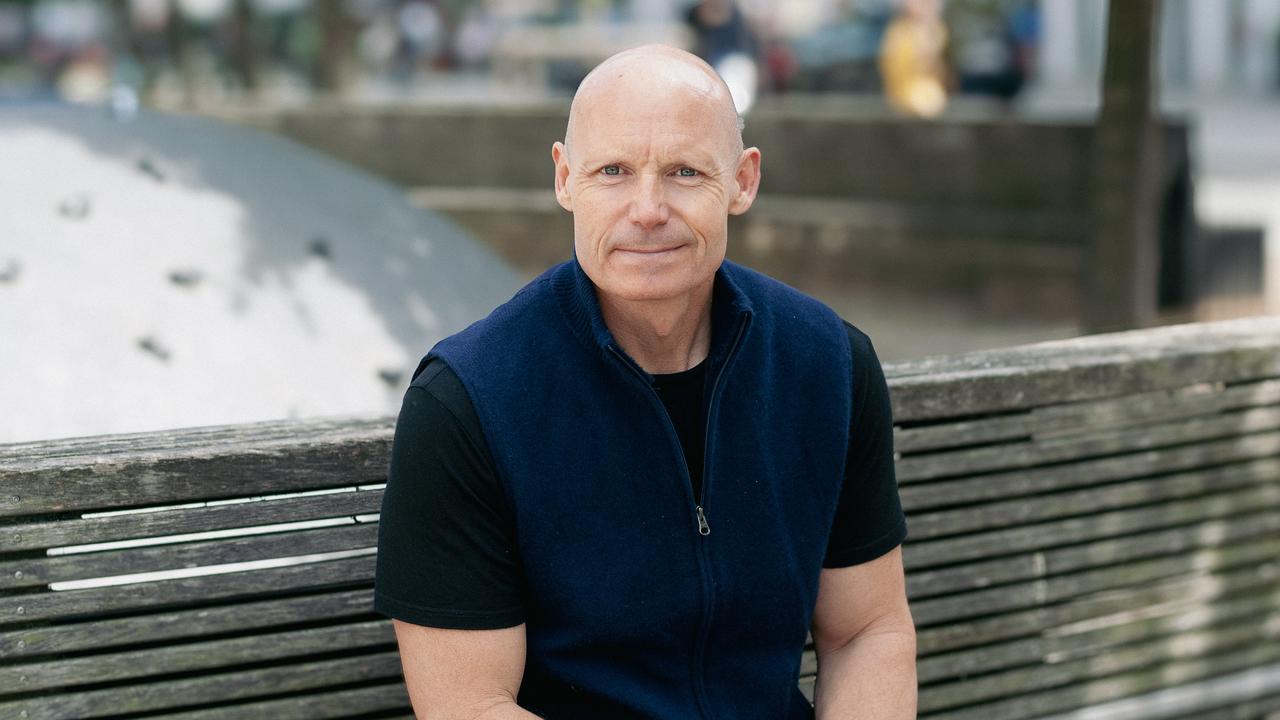
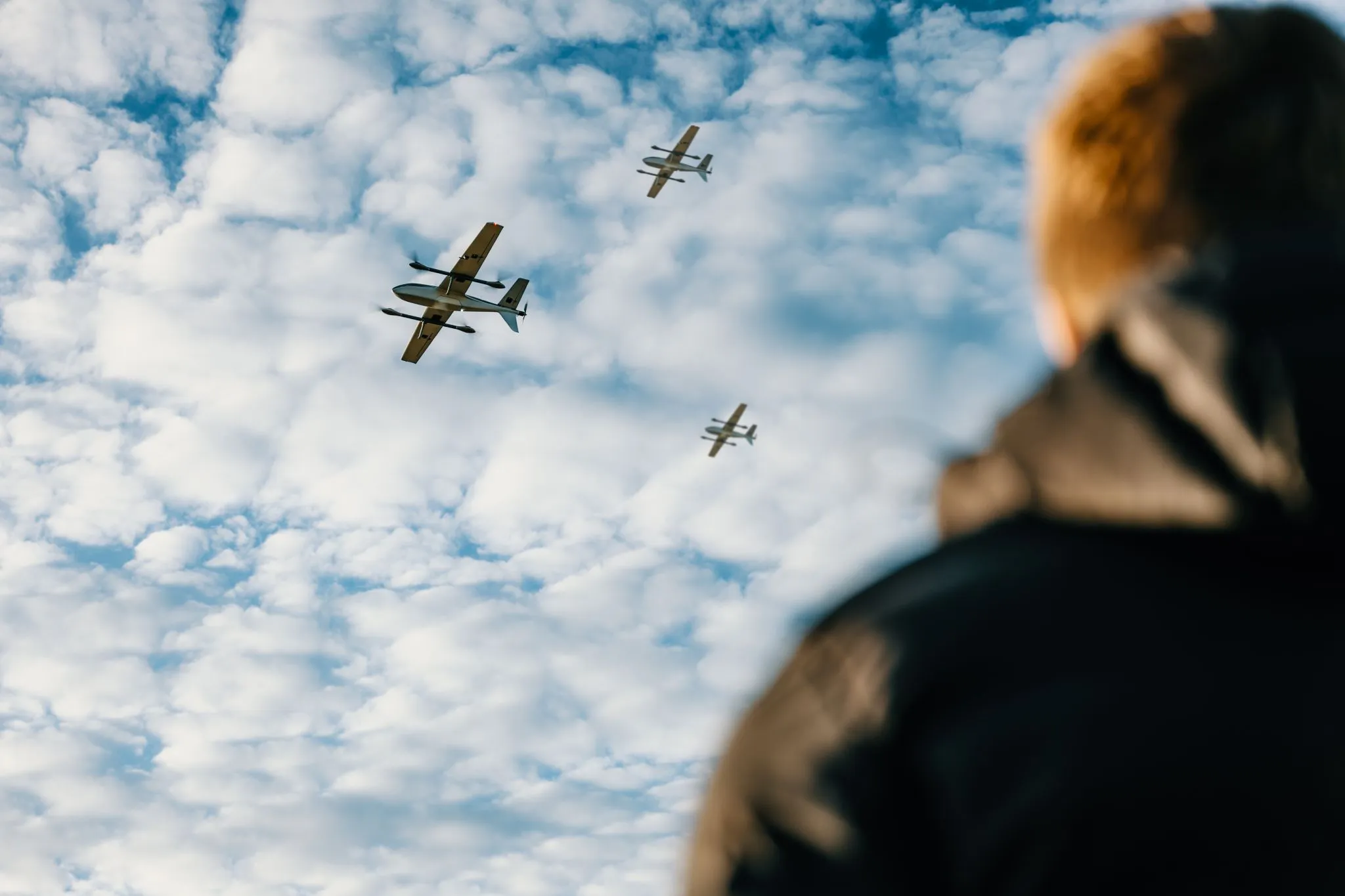
Autonomous machines are reshaping industries from logistics to agriculture. But the technology that lets them perceive and navigate the physical world is still being built — and Sonair is building it from Europe. We spoke with CEO and co-founder Knut Sandven about the journey.
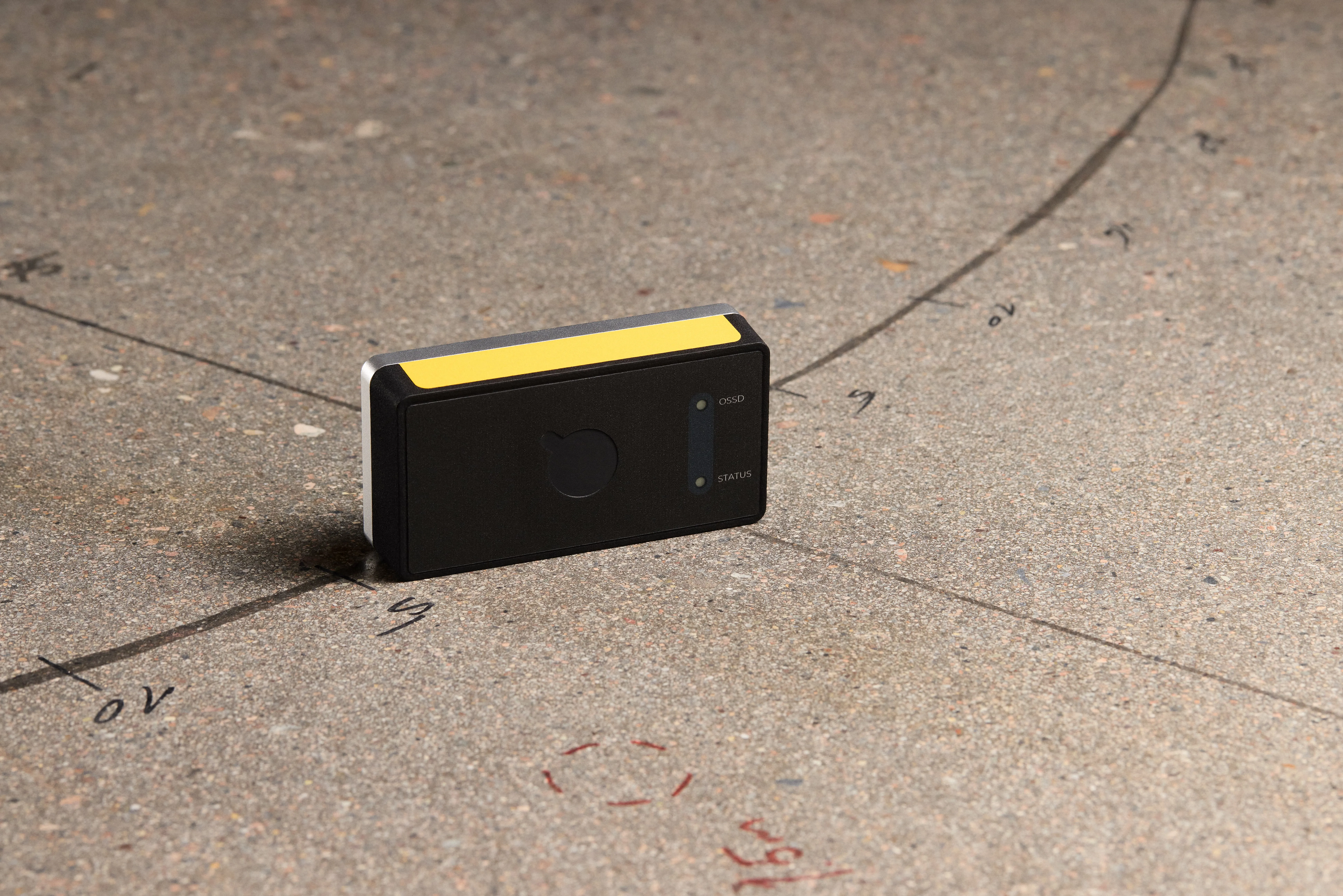
Knut is a third-time founder with a track record of turning deep research into industrial products. Before Sonair, he founded GasSecure, bringing safety-critical sensor technology into global markets. Now he's developing ADAR, a 3D ultrasound system that gives robots a more reliable understanding of their surroundings — especially in environments where humans and machines operate side by side and traditional sensors fall short.
Could you tell us a bit about your journey to founding Sonair? What led you to this problem?
My background has always been at the intersection of deep technology and industrial sensor solutions. I began my career at SINTEF, one of Norway’s leading research institutes, where I worked on developing MEMS sensors for innovative industrial applications.
Not long after, I founded my first company, GasSecure. There we developed a wireless gas detector for safety systems in the oil and gas industry. That experience taught me how quickly you can build something truly unique and highly valued when you combine deep technical expertise with the right team and a very focused mission.
Years later, SINTEF introduced me to a new generation of Micro-Electro-Mechanical Systems (MEMS) technology for ultrasound transducers, developed by Frode Tyholdt and colleagues. Norway has a strong legacy in medical ultrasound, and through discussions with experts in that field we began to see the potential for something entirely new: giving robots a new sense by using sound to perceive the world in full 3D, similar to how bats and dolphins navigate using echolocation.
That insight ultimately became the starting point for Sonair.
Many robotics companies rely on cameras or LiDAR. Why do you believe sound will become a core sensing layer for autonomous machines?
Most robots use cameras for context and 2D LiDAR for distance measurements. However, 2D sensing is a fundamental limitation, and optical technologies struggle in conditions like darkness, dust, fog, or with reflective and transparent surfaces. These situations are common in many industrial environments.
Our view is that the next generation of robots will combine complementary sensing modalities: cameras for context and understanding, and 3D ultrasound for reliable spatial perception. This combination enables precise, deterministic distance measurements in full 3D, significantly improving safety and robustness in real-world environments where vision alone is not enough.
You recently braught home a LogiMAT Best Product award. At the same time, there’s been a lot of hype around humanoid robots. How do these signals, and broader shifts in the world today, make Sonair particularly relevant?
The excitement around humanoid robots reflects a broader shift. Robots are moving out of fenced industrial cells and into environments where people are present. Whether it’s humanoids, warehouse robots, or service robots, the key challenge is the same: safe interaction with humans.
Most existing safety systems were designed for machines operating behind barriers or along predefined paths. As robots become more autonomous, they need to understand the surrounding space in real time. That’s where technologies like ours become relevant. If robots are going to operate safely and efficiently around people, they need reliable spatial awareness. Enabling that capability is exactly what Sonair is focused on.
With breakthrough technologies and deeptech, commercial traction and adoption is often the biggest challenge. What has been the hardest part of getting customers to implement Sonair?
In safety-critical industries, customers are understandably cautious about adopting new technology. It’s not enough for something to be innovative, it must be proven, reliable, and certifiable. One challenge is that safety is often perceived as something that slows systems down or adds complexity. Our job has been to demonstrate that better sensing can actually improve both safety and productivity.
Another challenge is integration. Robotics companies have existing architectures and workflows, so a new sensing technology has to fit naturally into those systems. Much of our work has therefore focused on making ADAR easy to integrate while meeting the strict safety requirements our customers expect.
Sonair spun out from research at SINTEF. Many deep-tech companies struggle to bridge the gap between research and product – how did you approach that transition?
Bridging the gap between research and product takes more than great technology. It requires the right team, focus, and urgency. In our case, we combined world-class ultrasound researchers from SINTEF with engineers who had already taken safety-critical hardware from concept to global markets. Several of us had previously worked together at GasSecure, where we developed and commercialized certified industrial safety products. That experience gave us a strong foundation in reliability, certification, and what it actually takes to deliver robust products in demanding environments.
From day one, we were also very deliberate about staying close to real-world applications. Rather than building technology in isolation, we worked hand-in-hand with robotics companies to ensure we were solving a concrete, high-value problem.
At the same time, as a VC-backed company, we’ve had to move fast and demonstrate commercial traction early. That creates a healthy pressure to prioritize what truly matters - focusing on use cases where the technology delivers immediate value, getting products into customers’ hands quickly, and iterating based on real feedback.
You’ve had good reception and adoption in Germany. Why what makes it such an important market, and how does this help shape the future of Sonair?
Germany has a long tradition in industrial automation and robotics, combined with an exceptionally strong focus on safety. In many ways, safety is part of the engineering culture there.
For a company building safety technology, that makes Germany a very natural market. Robotics manufacturers, integrators, and certification bodies in the region are deeply experienced in functional safety and understand the importance of reliable sensing. Working with customers and partners in Germany helps us refine our technology against some of the highest safety standards in the world. It’s a demanding environment, but that also helps shape Sonair into a stronger company.
You’re now building your third company. What are three things that have made this experience different from the others?
In many ways, this experience is similar to my first company - a small, highly focused team, deeply involved VC investors built on mutual trust, and many of the same challenges when it comes to developing and industrializing hardware. But there are also some important differences.
First, we’re simply operating with much more experience. We’ve seen many of the challenges we meet before, which means we can make better decisions faster and move forward with greater confidence and speed.
Second, the scale and pull from the market are very different. The opportunity around robotics and machine autonomy is significantly larger than anything I’ve worked on before, and the level of inbound interest is remarkable. In my previous startups, we had to work hard to get in front of customers - with Sonair, much of the interest comes to us.
And third, it’s much faster to build the company itself the third time around. We benefit from an established network in the investor community, a clearer approach to recruiting strong talent, and not least the ability to leverage efficient AI tools for everything outside our core expertise. That allows us to stay focused on what truly differentiates us and where we create the most value.
What do you approach differently as a founder today than you did the first time?
I’m much less involved in building the technology myself. Instead, I focus on where I add the most value and trust my team to own their areas fully.
I’m also more intentional about culture, emphasizing trust, good judgment, engagement, and flexibility, and being conscious of the behaviors we reinforce.
Overall, I spend less time building directly, and more time making sure the right things get executed well.